
Guest Blog: The Losses Nobody Talks About After Your Pet Dies
Everyone expects you to grieve your pet. Even the people who don’t fully understand it will acknowledge, at least on some level, that losing an animal you loved is hard.
But what nobody prepares you for are all the other losses that come with it. These secondary losses are sometimes just as hard as the primary loss of losing your beloved.When your pet dies, you don’t lose just them but you lose the entire structure of your daily life that was built around them. And those secondary losses, as grief practitioners call them, can sneak up and hit just as hard as the primary one. Sometimes harder, because we rarely see them coming and nobody names them. When I was early on in my grief losing Boo, I was blindsided by them, so I want to talk about them in this post.
The Loss of Routine
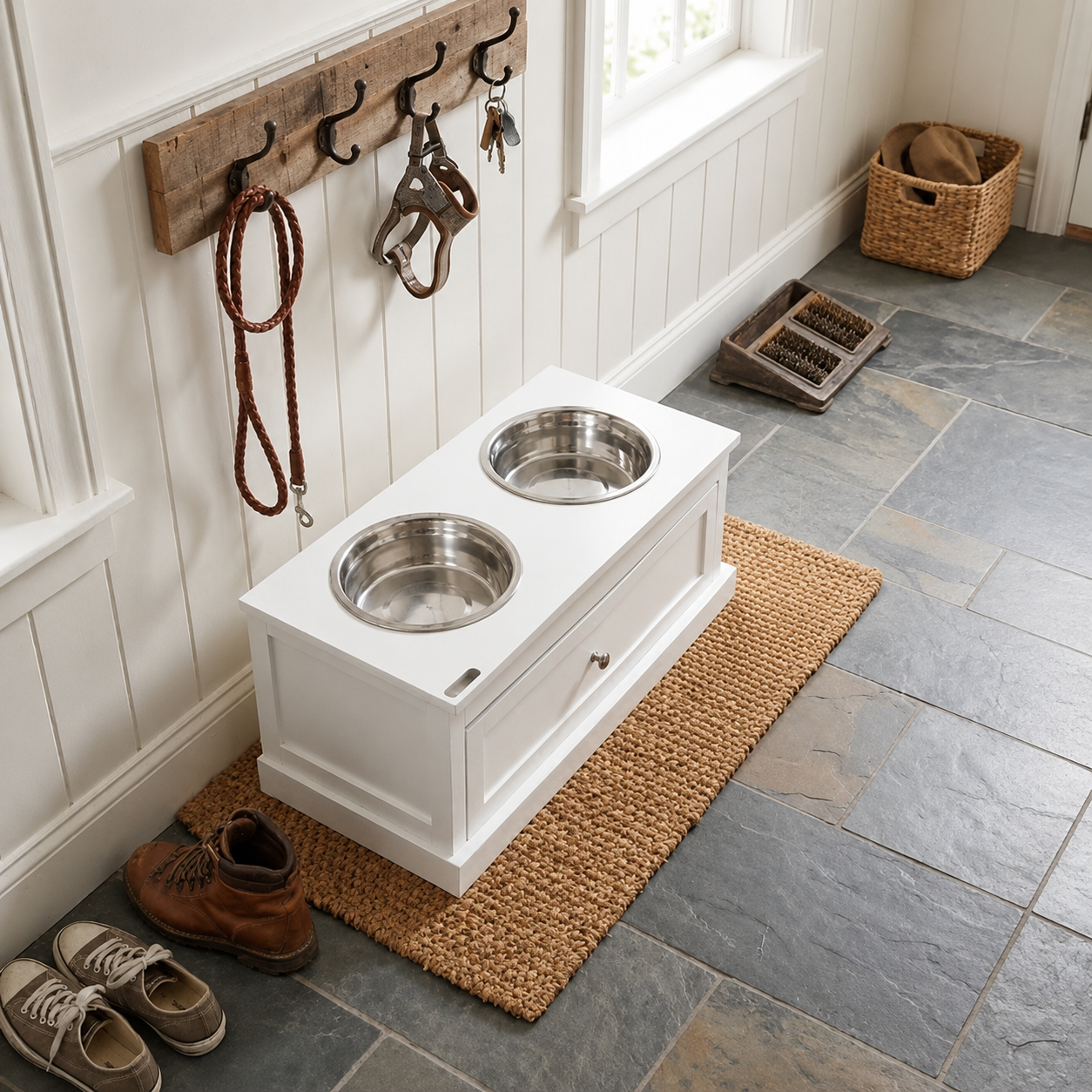
If you’ve lived with an animal for any length of time, your day was shaped by theirs. You woke up when they needed to go out. You came home at a certain time because they were waiting. You scheduled your meals, errands and social plans around their needs. You may not have even noticed how thoroughly your animal had become the framework of your day until that was all gone. After Boo died, I didn’t know how to face the mornings. That sounds dramatic but it’s true.
The morning routine we had together had been so ingrained for so many years that its absence felt completely disorienting.
Our routine wasn’t just logistics, it was a connection. It was purpose and it was ours. Honestly, it was months before I wasn’t crying in the shower every morning, because she wasn’t just outside the shower waiting for me.The loss of routine is a real grief, and it’s one of the reasons the early days after a loss can feel so unstructured. Your body and your habits are still expecting a dog who isn’t there and you’re still searching, even though you know they’re gone.
The Loss of Identity
For a lot of us, being a pet guardian (and in my case, a dog professional) isn’t just something we do, but it’s part of who we are. You’re “Boo’s mom” or “the person with the big reactive shepherd” or “the one who fosters.” Your animal was part of how you introduced yourself, part of the stories you told, part of the lens through which you saw the world. When they die, that part of your identity suddenly doesn’t have a home. For me, I questioned how I could be a dog professional without even having a dog. I didn’t just lose my heart dog, but I lost my working companion, my demo dog and my reason for being a trainer.
This can feel strange and a little embarrassing to admit, because it’s not the same as losing your dog directly but it’s completely connected.
Grief doesn’t stay neatly inside the lines of “I miss my animal.” It bleeds into “I don’t know who I am without them,” and that is a legitimate and painful place to sit.
It took me the better part of a year to figure this out in my own grief journey.
The Loss of Community
Our animals are social connectors in a way that’s easy to take for granted until it’s gone.
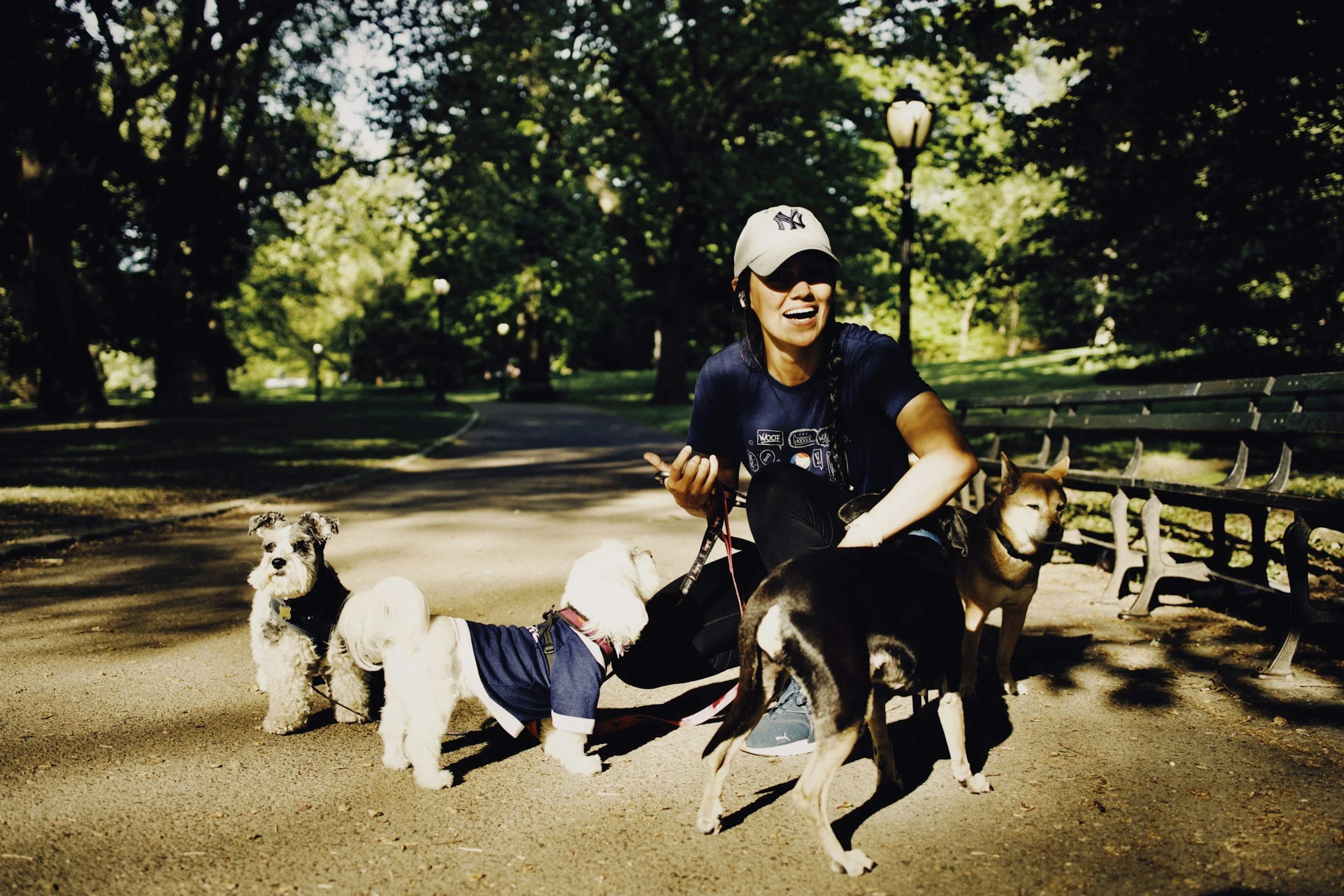
Maybe it was the people you saw on your walking route, people at the farmers market, the Facebook groups for your animal’s breed or behavior, the followers who watched your animal on social media or the neighbors who asked about them by name. A year or so after Boo passed, I was out walking Gertie and a neighbor we don’t see often saw us and asked “Oh, did your other dog die?” and just like that, I burst into tears. A year later. I wasn’t expecting to cry over Boo that day, but there it was.
Some of these relationships were dog-first and they may not know how to exist without that shared focal point, and really some of them won’t survive the loss. People who connected with you because of your animal may quietly disappear, not out of cruelty but because they don’t know what to say or how to relate. That’s another loss inside the loss for you to navigate.
Two years in, I still notice how Boo comes up in conversations with people I’d only really connected with because of her. Some of those relationships have stayed but others drifted or went away. And that drifting is its own kind of grief. I lost people I thought were friends because they didn’t show up during my grief. That was my choice – I cut them out if they didn’t acknowledge this huge loss in my life, but it was still painful to let them go.
The Loss of Purpose
For people with animals who had significant needs, whether that was a reactive dog, a medically complex cat, a senior animal in decline, or a dog with separation anxiety, so much of daily life was organized around caregiving. You researched, advocated, adjusted your schedule, your social life and your budget. You built your entire life around this one animal. And you wouldn’t have had it any other way. When they die, that purpose can disappear overnight. The caregiving that felt exhausting when it was happening can suddenly feel like something you’d give anything to have back.
This is especially common after a long illness or a slow decline. You spent months or years pouring yourself into keeping your animal comfortable and cared for. And when that’s over, the silence left behind isn’t just about missing them.
It’s about not knowing what to do with all the energy and attention that had nowhere left to go.
This can be complicated because it often also comes with some feelings of relief and freedom, which then gets complicated by feelings of guilt for feeling relief.
This is all normal.
Don’t beat yourself over it. It doesn’t mean you didn’t love them. It means you poured a lot of energy into caretaking, and caretaking it is a lot of work and it’s perfectly okay to feel relieved to not have that on your plate anymore.
The Loss of “Normal”
Even if you eventually get another animal, even if life rebuilds itself around a new routine and a new relationship, there are things that will never be exactly the same.
The specific kind of normal you had with that animal, in that chapter of your life, is gone.
I have Gertie now and she’s great, but she’s not my Boo and we don’t have the same routines. Life is good with her but it’s not the same as what I had with Boo. This one is particularly hard to explain but I’ve heard it from so many grieving pet owners: the sense that life has divided into before and after. The world looks the same from the outside but something fundamental has shifted. The “normal” you knew is no longer available, and you’re building something new whether you wanted to or not.
But here’s the takeaway: You’re allowed to grieve all of it.
I say this as someone living it and as someone who works professionally with people in grief: you don’t have to pick one loss to focus on.
You’re allowed to grieve the routine and the identity and the community and the purpose all at once. You’re allowed to find the emptiness of a Saturday morning walk just as devastating as the anniversary of the day they died.
Secondary losses are real losses and they deserve the same compassion, space and permission to hurt.
If you’re in the thick of this right now, I see you. What you’re feeling makes sense. All of it.
You don’t have to figure this out alone.
Your story matters.
Your bond matters.
Your grief matters.
And I’m here to help you honor all of it.
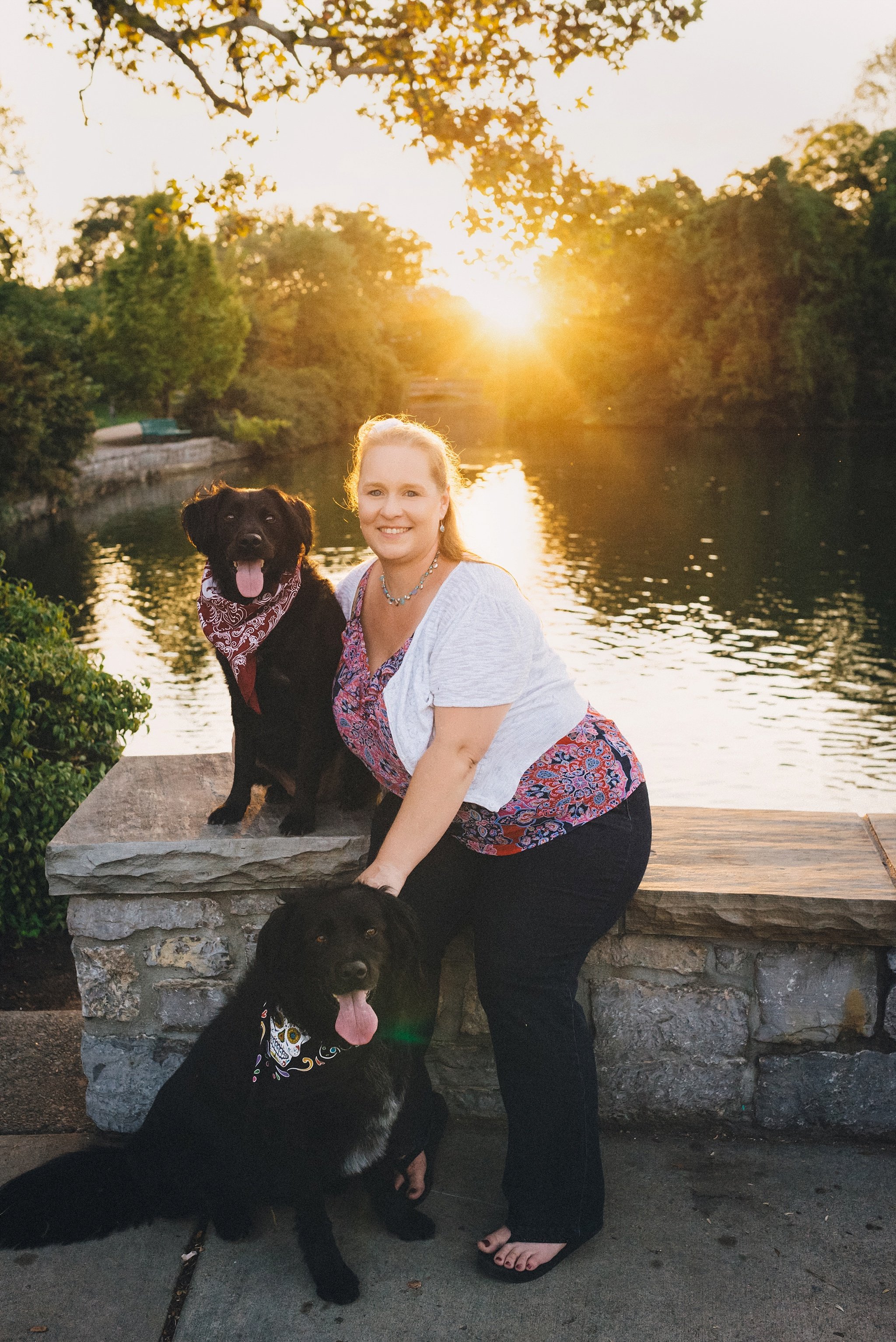
Kate LaSala
Certified behaviour consultant, pet loss grief companion and animal companion end of life doula. Kate LaSala, CTC, CBCC-KA, PCBC-A, CSAT, FFCP-E is a multi-credentialed dog trainer and behavior consultant (with more letters after her name than in her name!) specializing in fear, aggression, and separation anxiety through one-on-one remote sessions worldwide. She is also a companion animal death doula and pet loss grief companion, with a focus on stigmatized losses like behavioral euthanasia and rehoming.
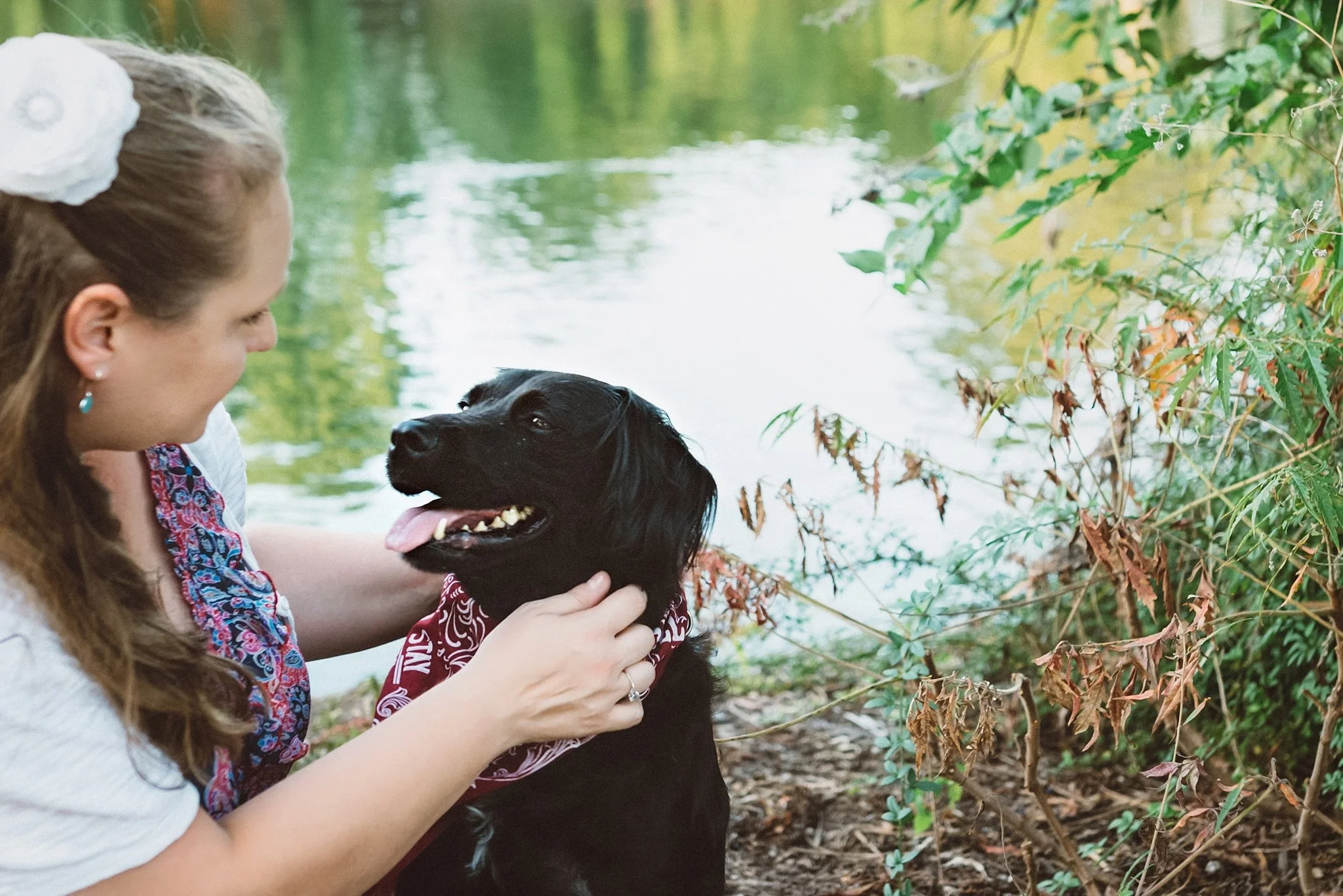
A long-time rescue advocate and former shelter trainer, Kate owns Rescued By Training and has been cited as an expert in The New York Times, AP News, and The Washington Post.
She writes weekly on behavior and grief topics, publishes a newsletter, and shares free resources at RescuedByTraining.com and @RescuedByTraining on social media.
Reflections from a Hospice Veterinarian
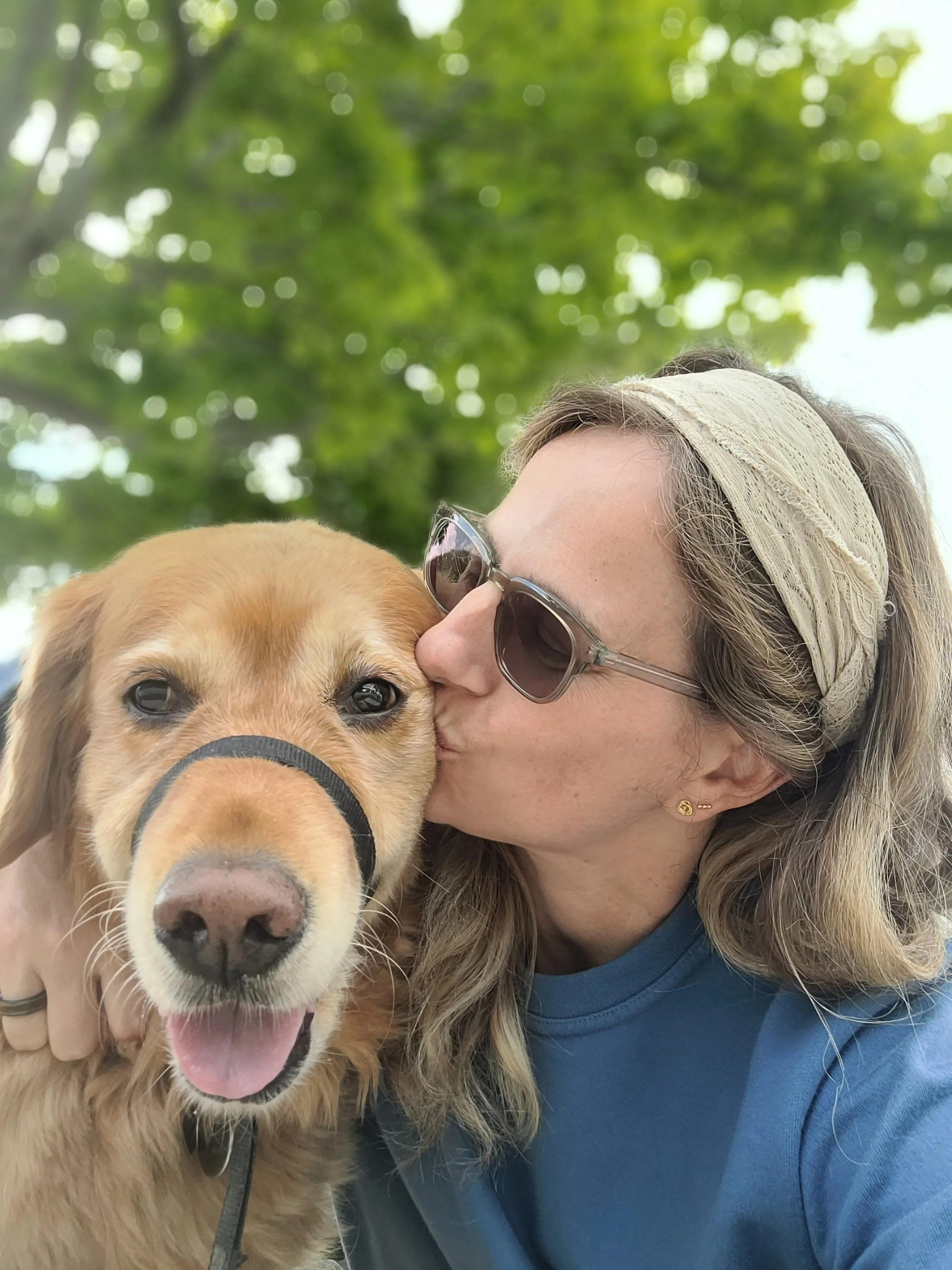
Dr. Erica and her Golden Retriever, Ellie, out for a walk
When Laura shared this article with me, I, too, was in the thick of it. I still am, as I continue to work my way through losing Ellie at the end of January this year.
What spoke to me most about these secondary losses that no one talks about is how deeply I feel them, every single day.
I miss Ellie. Losing her unexpectedly has hit me harder than I ever imagined. Yet it’s not just Ellie’s physical presence in my life that I miss. It’s everything that Kate has so beautifully expressed above—the routines, identity, community, purpose, and sense of “normal” that surrounded my life with her in it.
Walking with Ellie in the morning was how I started my day. Without her, I haven’t really wanted to walk around my neighbourhood, especially because I found it so difficult to see other people walking their dogs when mine was no longer here. It wasn’t just sadness. There was anger, too. As time has passed, that anger has softened, but in the beginning, it felt so deeply unfair that she wasn’t there by my side.
I also didn’t want to run into people who knew Ellie and have them ask where she was, because there was no way those words could escape my mouth without my voice breaking and, ultimately, me crying.
As the seasons have changed, I’ve found myself experiencing new and unexpected losses, too. This spring and summer have brought with them all the feelings of missing what these changing seasons would have looked and felt like with Ellie in them—and the deep sadness of how different they feel without her.
We wanted to share this blog with you, too, so you know that you’re not alone.
By talking about these secondary losses, we can continue to create space for the many ways pet loss changes our lives—often in ways we don’t expect and that others may not see.
What secondary losses have impacted you after the loss of a pet?
With love,
Dr. Erica

Like what you’ve read? ❤ Follow Us